
Heating Systems Designed for Consistent Performance
Hydronic System Installation in Byers for rural properties seeking energy-efficient heat distribution
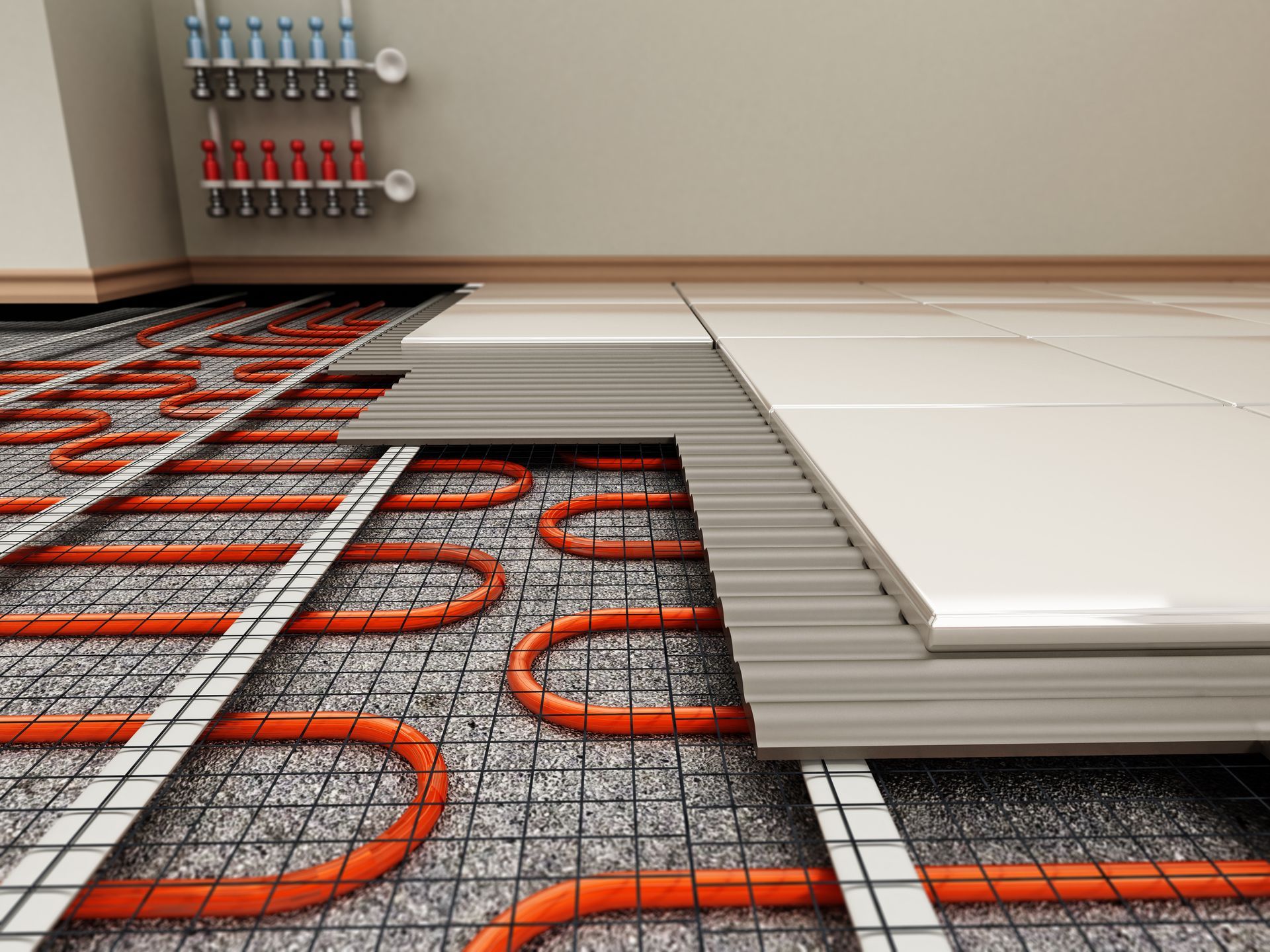
Boiler-based heating distributes warmth more evenly than forced air and operates more quietly, which makes it particularly suited to homes where temperature consistency matters and where ductwork installation would be impractical or prohibitively expensive. Hometown Home Services designs hydronic heating systems tailored to each home's layout, insulation characteristics, and heating load requirements, ensuring that radiators, baseboard units, or in-floor loops deliver the right amount of heat to each zone without oversizing equipment or creating hot and cold spots. Homes in Byers benefit from systems built to handle rural conditions, including properties where propane or oil fuel the boiler and where longer heating seasons demand reliable, efficient operation.
Installation involves calculating heat loss for each room, selecting appropriately sized boilers and circulators, routing supply and return lines to minimize heat loss during transit, and installing zone controls that allow different areas to maintain independent temperatures. The process ensures long-term performance from the start, with equipment selected for durability and efficiency rather than simply meeting minimum capacity requirements.
Schedule a consultation to review system options and layout considerations specific to your home.
How Hydronic Installation Addresses Heating Challenges
The installation process begins with a detailed evaluation of your home's heating needs, including room-by-room heat loss calculations, existing fuel sources, and whether you want single-zone or multi-zone control, which determines boiler sizing, circulator capacity, and the type of heat emitters used throughout the house. This planning prevents undersized systems that struggle during cold stretches and oversized equipment that short-cycles and wastes fuel.
Once the system is operational, you notice even warmth in every room without the drafts and noise associated with forced air, along with lower fuel consumption compared to less efficient heating methods. Floors stay comfortably warm if in-floor heating is installed, and radiators or baseboards deliver steady heat without the on-off cycling that creates temperature swings in less sophisticated systems.
The installation includes full guidance on system operation, routine maintenance tasks like bleeding radiators or checking pressure levels, and what to monitor to ensure the system continues performing efficiently season after season. Hometown Home Services uses proven equipment and installation methods that prioritize long-term reliability over cutting corners to reduce upfront costs.
Common Questions About This Service
Property owners considering hydronic heating often want to understand how these systems work and what to expect during and after installation.
What makes hydronic heating more efficient than forced air?
Hydronic systems transfer heat through water, which carries far more thermal energy per unit than air, allowing the system to deliver consistent warmth using less fuel and eliminating the duct leakage and heat loss common in forced air setups.
How is the system designed for my specific home?
Heat loss calculations determine how much warmth each room needs based on insulation, window area, ceiling height, and exposure, and those numbers dictate boiler size, the type and quantity of heat emitters, and whether zones are necessary to balance comfort across different areas.
What fuel sources work with hydronic systems in Byers?
Systems can run on propane, natural gas, oil, or electricity depending on what's available at your property, and boiler selection accounts for fuel type, efficiency ratings, and how the equipment handles the longer heating season typical in rural Colorado.
When should I schedule installation to avoid delays?
Fall is the busiest season for heating work, so planning installation during late summer allows time for design, ordering equipment, and completing the work before cold weather arrives and demand spikes.
What maintenance does a hydronic system require after installation?
Routine tasks include checking boiler pressure, bleeding air from radiators or baseboard units, inspecting circulator operation, and scheduling annual boiler servicing to maintain efficiency and catch minor issues before they disrupt heat delivery.
Hometown Home Services ensures each installation is completed with attention to detail and a focus on comfort and efficiency that lasts for years. Contact the office to discuss your heating needs and receive a customized system proposal.