
Water Treatment That Protects Plumbing
Water Softener Systems in Byers for reducing hard water damage in well-based homes
Well water throughout rural Colorado frequently contains high concentrations of calcium and magnesium, and those minerals accumulate inside pipes, water heaters, and appliances, reducing flow, lowering efficiency, and shortening equipment lifespan in ways that aren't immediately visible but compound over years of use. Hometown Home Services installs water softener systems customized to the specific hardness levels and flow demands of homes in Byers, addressing the mineral content that causes scale buildup, soap scum, and premature wear on everything that contacts your water supply. Softened water protects plumbing investments, improves cleaning effectiveness, and eliminates the white residue that coats fixtures and glassware when untreated hard water evaporates.
Installation includes testing your water to measure hardness, selecting a softener sized to handle your household's daily water usage, and positioning the system where it treats all water entering the home before it reaches fixtures, appliances, or the water heater. The work also includes setting regeneration cycles based on actual water consumption patterns to balance effectiveness with salt and water efficiency.
Request a water quality evaluation to determine hardness levels and appropriate system sizing.
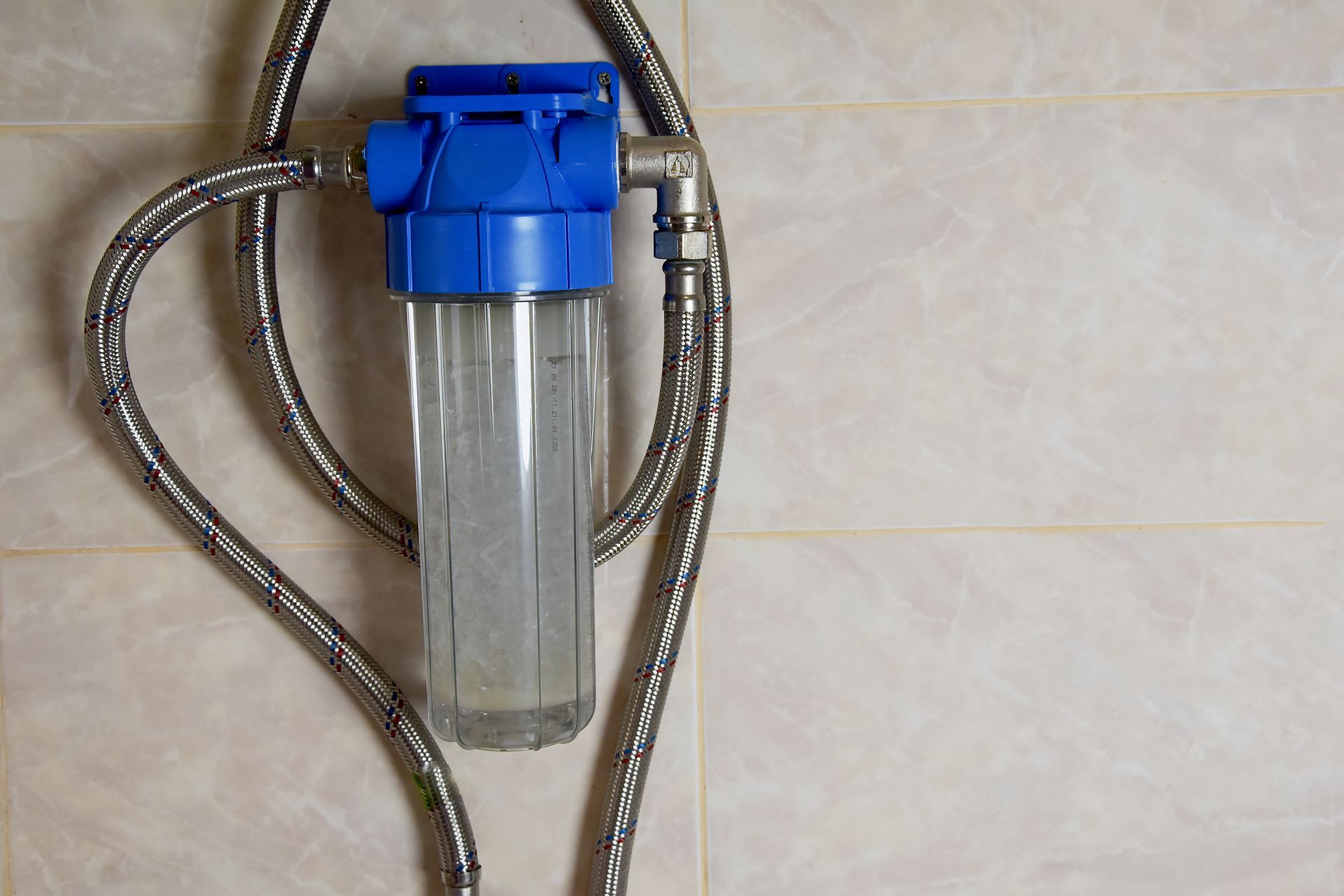
What You Notice Once Water Softening Is Installed
The system removes hardness minerals by exchanging calcium and magnesium ions for sodium through a resin bed, which is periodically regenerated with salt brine to restore capacity, and this continuous process ensures that water leaving the softener maintains consistent low hardness without requiring manual intervention beyond refilling the salt tank. Proper sizing prevents the system from running out of capacity between regeneration cycles, even during high-use periods.
After installation, you notice softer water immediately: soap lathers more easily, dishes and glassware dry without spotting, and fixtures stay cleaner without the crusty white buildup that required constant scrubbing. Over time, water heaters operate more efficiently because scale no longer insulates heating elements, appliances like dishwashers and washing machines last longer, and pipes remain clear instead of narrowing from mineral deposits that restrict flow and increase pressure.
Maintenance involves keeping salt levels adequate, occasionally cleaning the brine tank, and scheduling periodic inspections to ensure the resin bed and control valve continue functioning properly. The service includes clear guidance on what to monitor and when professional maintenance is needed to extend system life and maintain water quality.
Common Questions About This Service
Homeowners throughout Byers often ask similar questions about how water softeners work and what benefits they provide, especially when dealing with well water that varies significantly in mineral content.
What hardness level requires a water softener?
Water testing that shows hardness above seven grains per gallon typically benefits from softening, though even moderate hardness around five grains causes noticeable scale over time, and testing your specific well water provides the data needed to decide whether treatment makes sense for your situation.
How is the softener sized for my household?
System capacity is calculated based on daily water usage and water hardness, ensuring the resin bed can treat enough water between regeneration cycles to meet your household's needs without running out of capacity during peak use days.
What maintenance does a water softener require?
Regular tasks include refilling the salt reservoir, checking that the system regenerates on schedule, and occasionally cleaning sediment or iron buildup from the brine tank, while professional service every few years ensures valves, seals, and the resin bed remain in good condition.
Why does well water in Byers tend to be hard?
Groundwater dissolves minerals as it moves through rock and soil, and the geology in eastern Colorado contributes calcium and magnesium to wells, creating hardness levels that vary by location but generally exceed what's considered moderate or soft without treatment.
When should I install a softener relative to other plumbing work?
Installing a softener before replacing water heaters, fixtures, or appliances maximizes the lifespan of new equipment by preventing scale from forming in fresh components, though adding softening to existing systems still provides immediate benefits and prevents further accumulation.
Hometown Home Services provides reliable water softener installation and ongoing service to protect your plumbing and improve daily water quality. Schedule a water test and system consultation to explore treatment options suited to your home's needs.