
Restoring Heat When Systems Fail
Hydronic System Repair in Byers for uneven heating, leaks, and boiler malfunctions
Boilers that won't ignite, zones that stay cold while others overheat, and slow leaks that appear near circulators or zone valves all indicate hydronic system problems that worsen if ignored, and diagnosing the actual cause requires understanding how water temperature, pressure, and flow interact across the entire heating loop. Hometown Home Services troubleshoots hydronic heating systems in Byers by testing each component, checking for air pockets that prevent circulation, inspecting expansion tanks for waterlogging, and identifying whether control failures or mechanical breakdowns are interrupting heat delivery. Rural properties often run systems harder and longer than urban homes, which accelerates wear on circulators, valves, and heat exchangers, making fast, accurate diagnosis critical to restoring comfort.
Repairs address everything from replacing failed circulators and zone valves to fixing boiler ignition issues, clearing airbound loops, and sealing leaks at pipe joints or emitter connections. Each repair is evaluated against the system's overall condition to determine whether targeted fixes will restore reliable operation or whether aging components make replacement a better long-term choice.
Arrange an evaluation to identify what's preventing your system from heating properly.
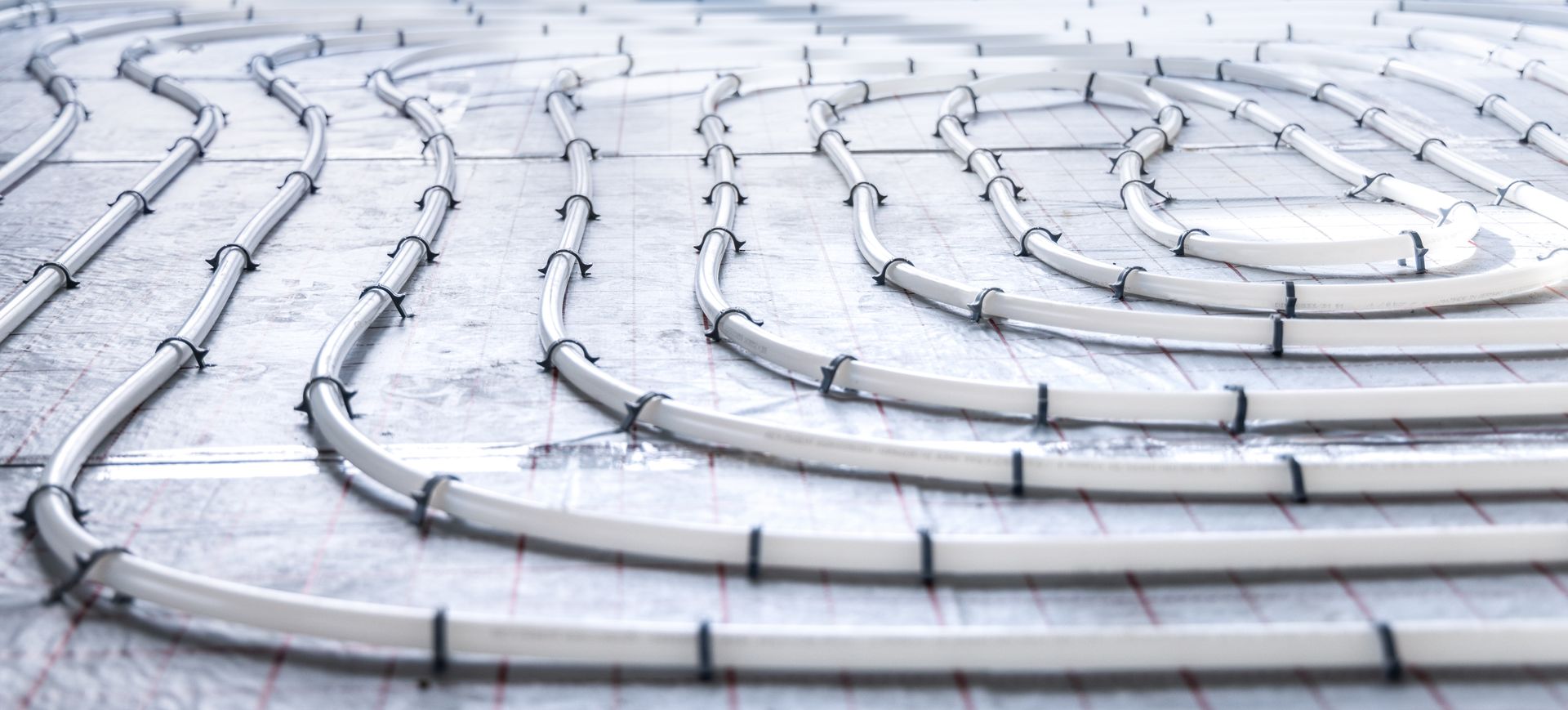
What Changes After Hydronic Repairs Are Completed
Troubleshooting begins with checking system pressure, verifying that circulators are moving water through each zone, testing thermostat signals, and inspecting the boiler for fault codes or safety lockouts, which reveals whether the issue stems from electrical controls, mechanical failure, or air and pressure imbalances that prevent proper circulation. This methodical approach prevents replacing parts unnecessarily and ensures the repair addresses the root cause rather than masking symptoms.
After repairs, heat returns to all zones evenly, boilers fire consistently without short-cycling or lockout errors, and leaks stop completely without residual dripping or pressure loss. You notice rooms reaching set temperatures reliably, quieter operation as air is purged from lines, and lower fuel use if inefficiencies caused by circulation problems or burner issues are corrected during the repair.
Honest assessments include explaining whether aging components are likely to fail soon and what that means for repair costs versus system replacement, so you can make informed decisions without pressure. The focus remains on extending system life where practical and recommending replacement only when ongoing repairs become impractical or unsafe.
Answers to Frequent Service Questions
Homeowners dealing with heating problems often need clarity on what causes failures and how quickly systems can be restored.
What causes uneven heating in hydronic systems?
Airlocks in supply lines, failed zone valves that won't open, or underpowered circulators that can't push water through longer loops all prevent heat from reaching certain areas, and resolving the issue requires bleeding air, testing valve operation, or upgrading circulator capacity to match system demand.
How quickly can heat be restored during cold weather?
Most repairs are completed within a few hours once the problem is diagnosed, though parts availability for older or less common boiler models may require ordering components, and temporary workarounds are implemented when possible to maintain partial heat until full repairs are finished.
Why do boilers lock out or fail to ignite?
Safety controls shut down boilers when pressure drops too low, when flame sensors detect incomplete combustion, or when high-limit switches sense overheating, and clearing the lockout requires identifying what triggered the safety response and correcting that condition before the boiler will resume normal operation.
What should I look for to catch problems early?
Unusual noises like gurgling in pipes or grinding from circulators, rooms that take longer to warm up, or visible pressure drops on the boiler gauge all indicate developing issues that are cheaper and easier to fix before they cause complete system failure.
When does repair make more sense than replacement?
Systems with isolated component failures, boilers under fifteen years old with available parts, and setups where the distribution piping and emitters remain in good condition are usually worth repairing, while systems with widespread corrosion, obsolete controls, or repeated failures often cost less to replace than to maintain.
Hometown Home Services responds quickly to restore heat and provides clear guidance on whether repairs will deliver reliable performance or whether replacement is the more practical path. Call to report heating issues and receive fast, honest service.